Spring Awakening at Campus Earth
Nature, Animals & Art Begins with Compost, Worms, and Wonder
As spring has arrived, Campus Earth Learning Cooperative has joyfully moved from our Holistic Health segment into the final learning chapter of the year: Nature, Animals & Art.
Our first Wednesday adventure after spring break brought us to Carpinteria Community Garden Park, where our learners stepped into a living classroom full of soil, insects, gardens, and transformation.
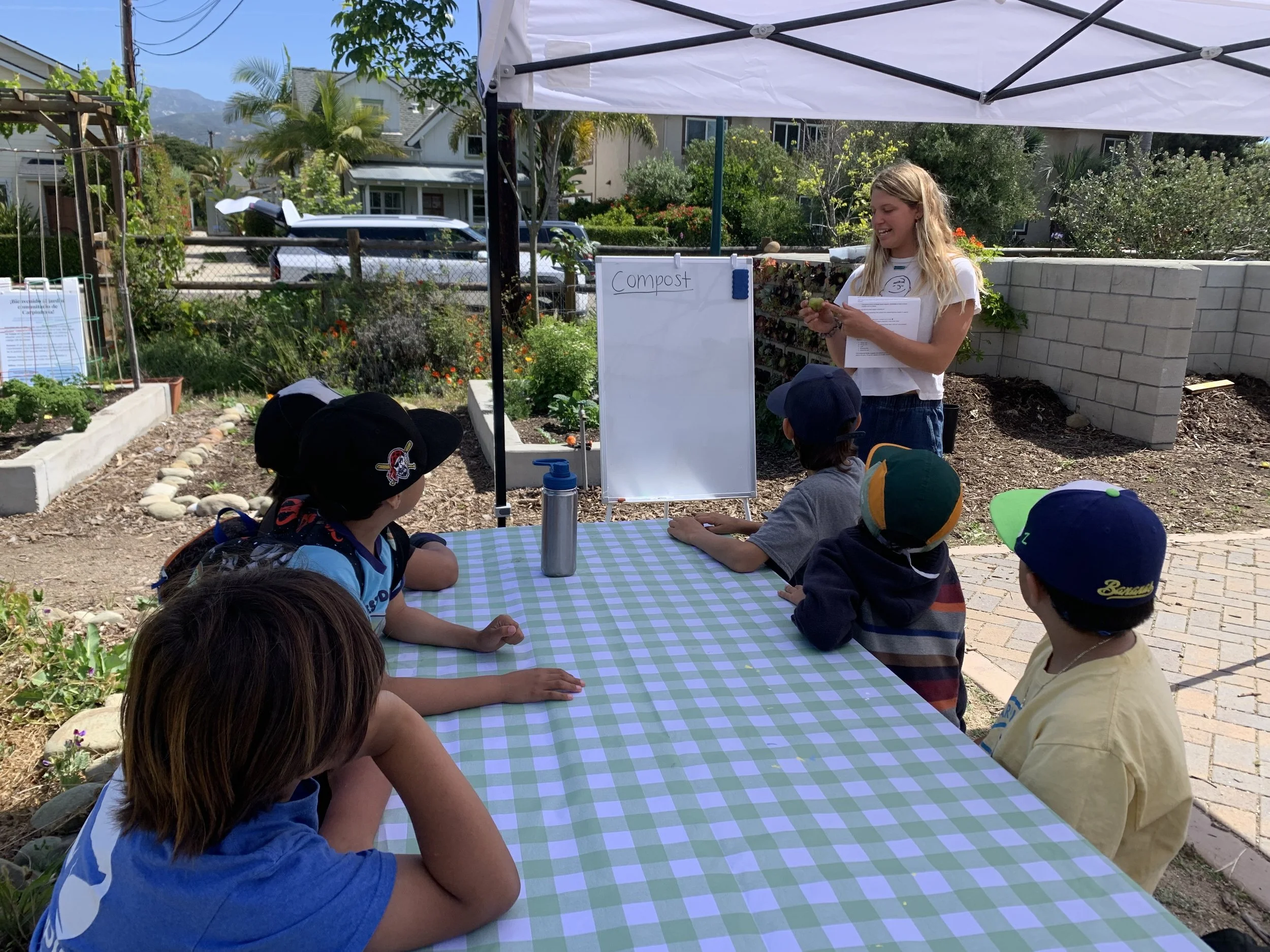
We were warmly welcomed by Ruby, who began with a thoughtful sit down presentation about composting. She invited the children to share what they already knew, then guided them through what kinds of materials can be composted and what should stay out of the pile. Using items from a bucket, she turned the lesson into an interactive sorting game that made the learning tangible, memorable, and fun.
From there, we explored two different kinds of composting: hot composting and worm composting.
Hot Composting in Action
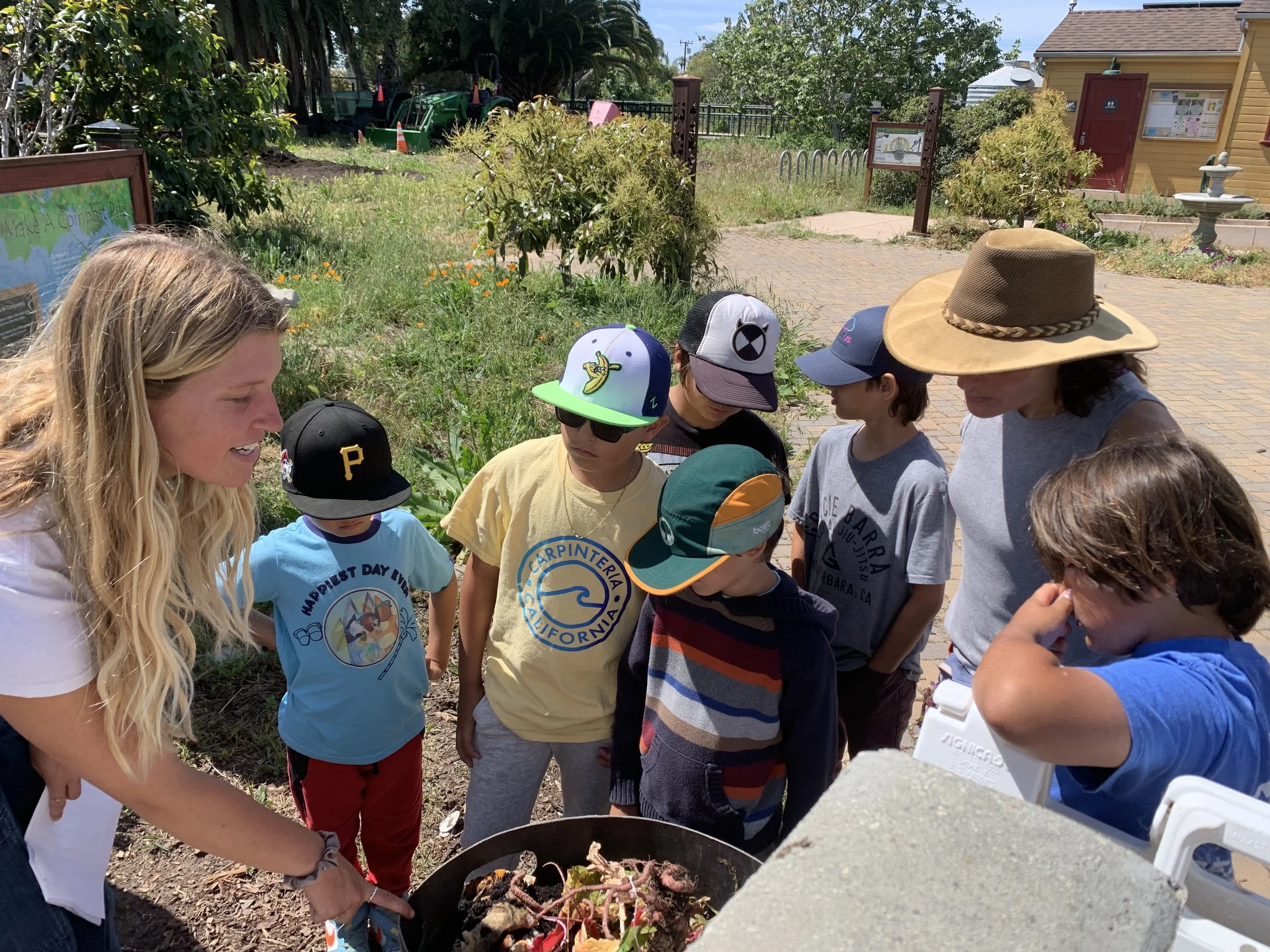
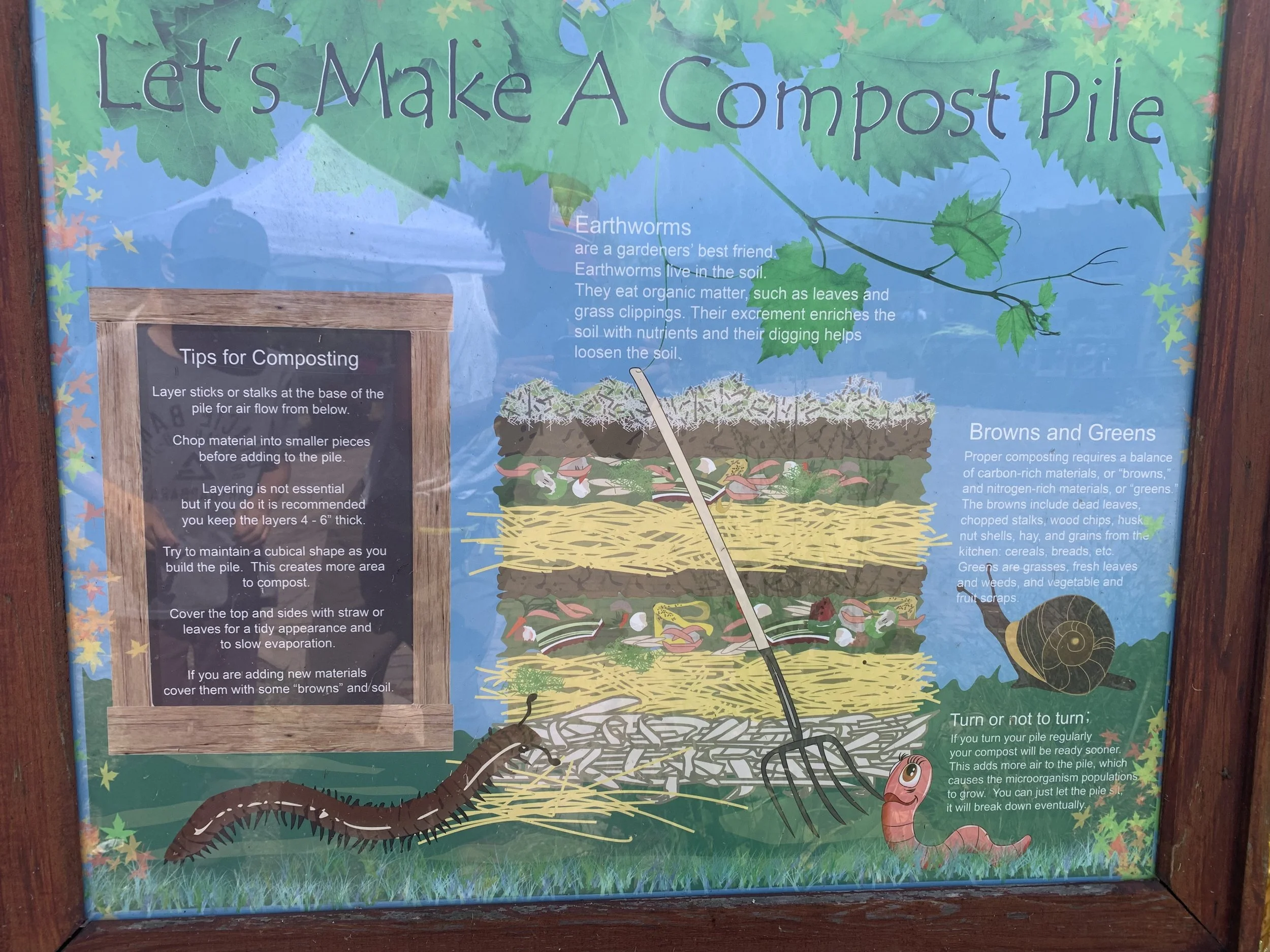
At the hot compost heap, Ruby explained how compost piles need the right balance of greens, browns, air, moisture, and warmth to work well. She shared how the pile must be turned, watered, and maintained so the tiny living organisms inside can do their job.
Then the children got to jump in.
Learners eagerly took turns turning the pile, watering dry areas, and digging into the layers of decomposing food and plant matter. They discovered insects, worms, and the many stages of nature’s recycling process. They could feel the warmth inside the pile, see scraps breaking down, and witness how leftovers become rich soil for future gardens.
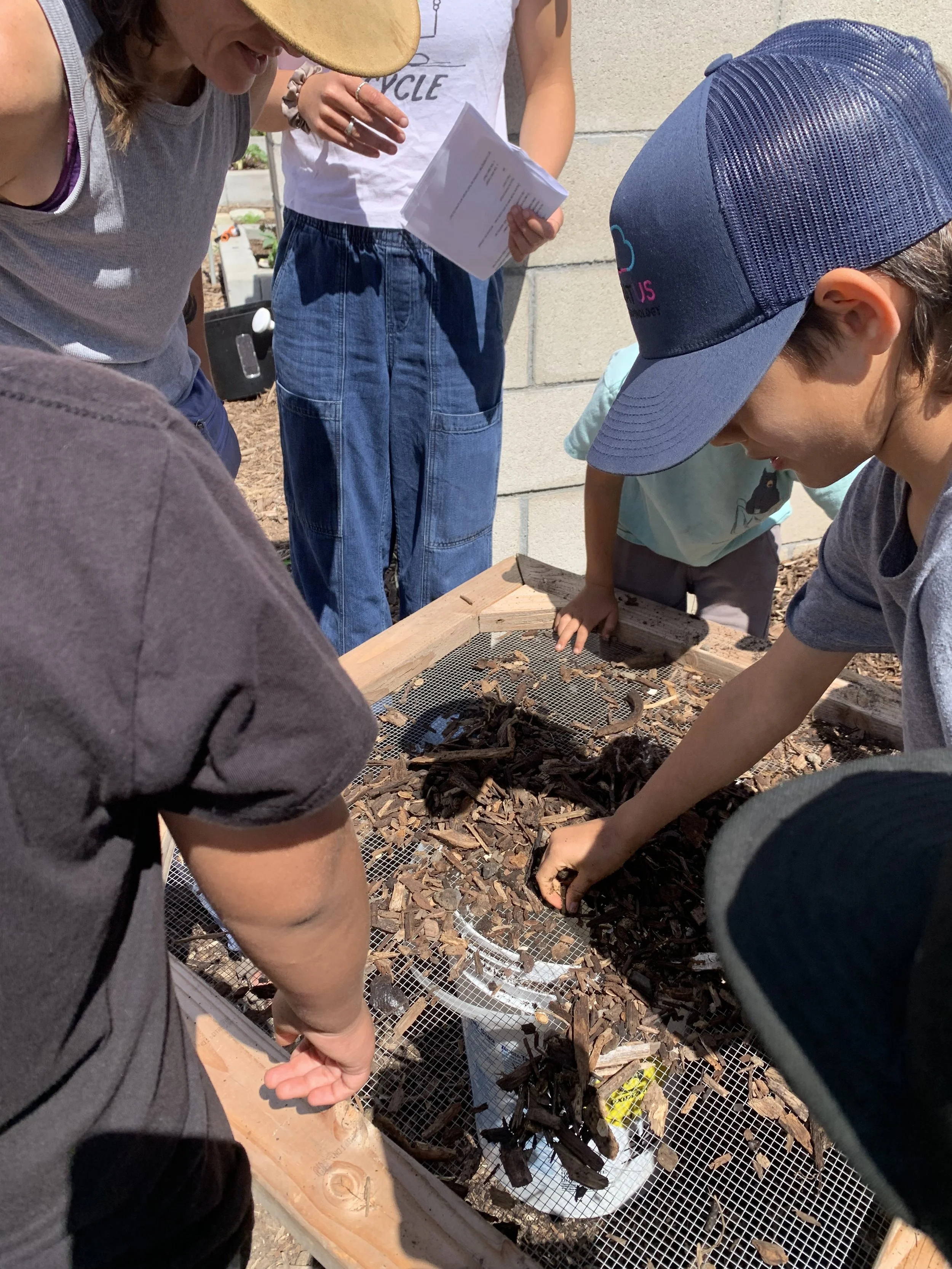
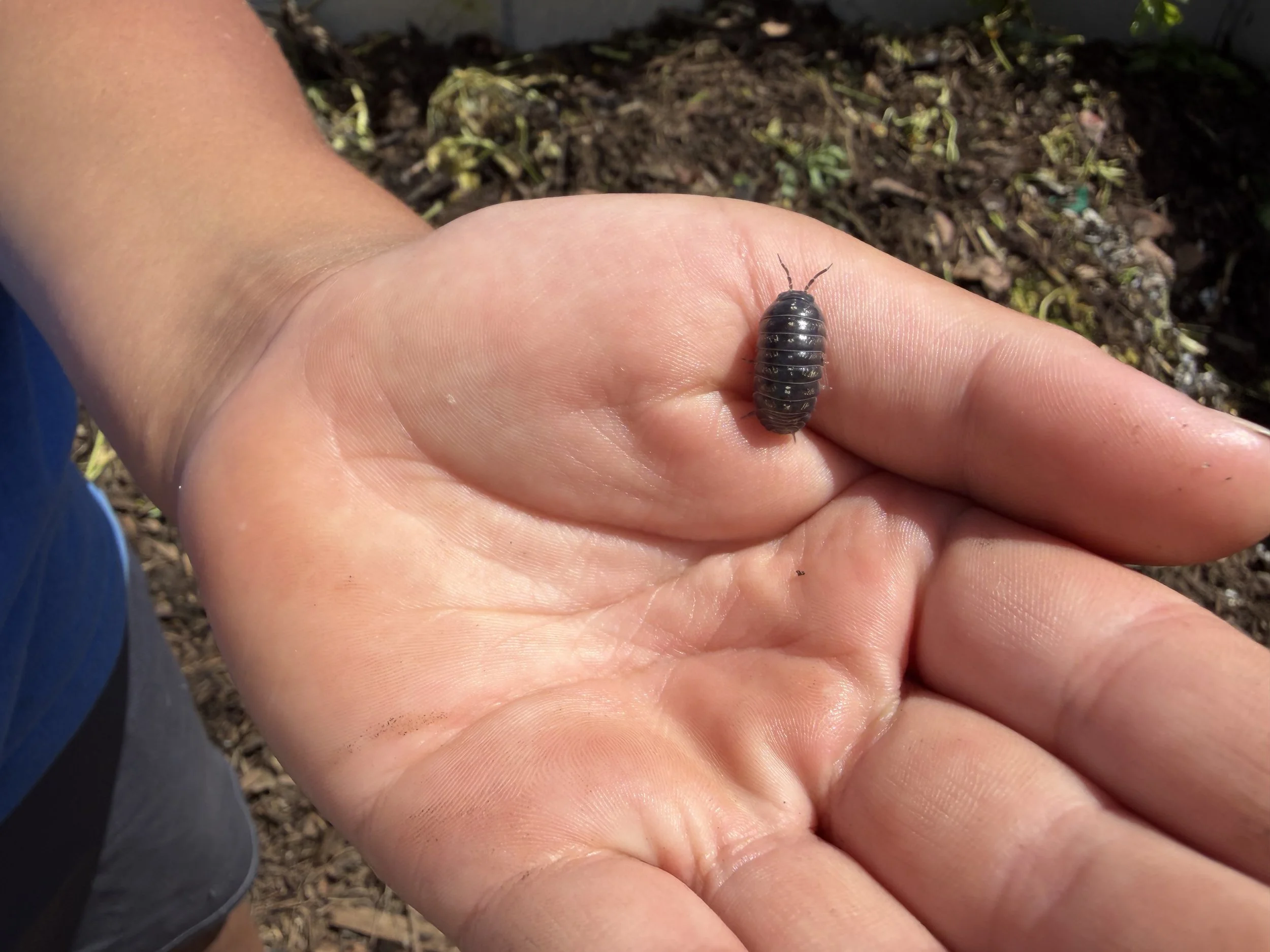
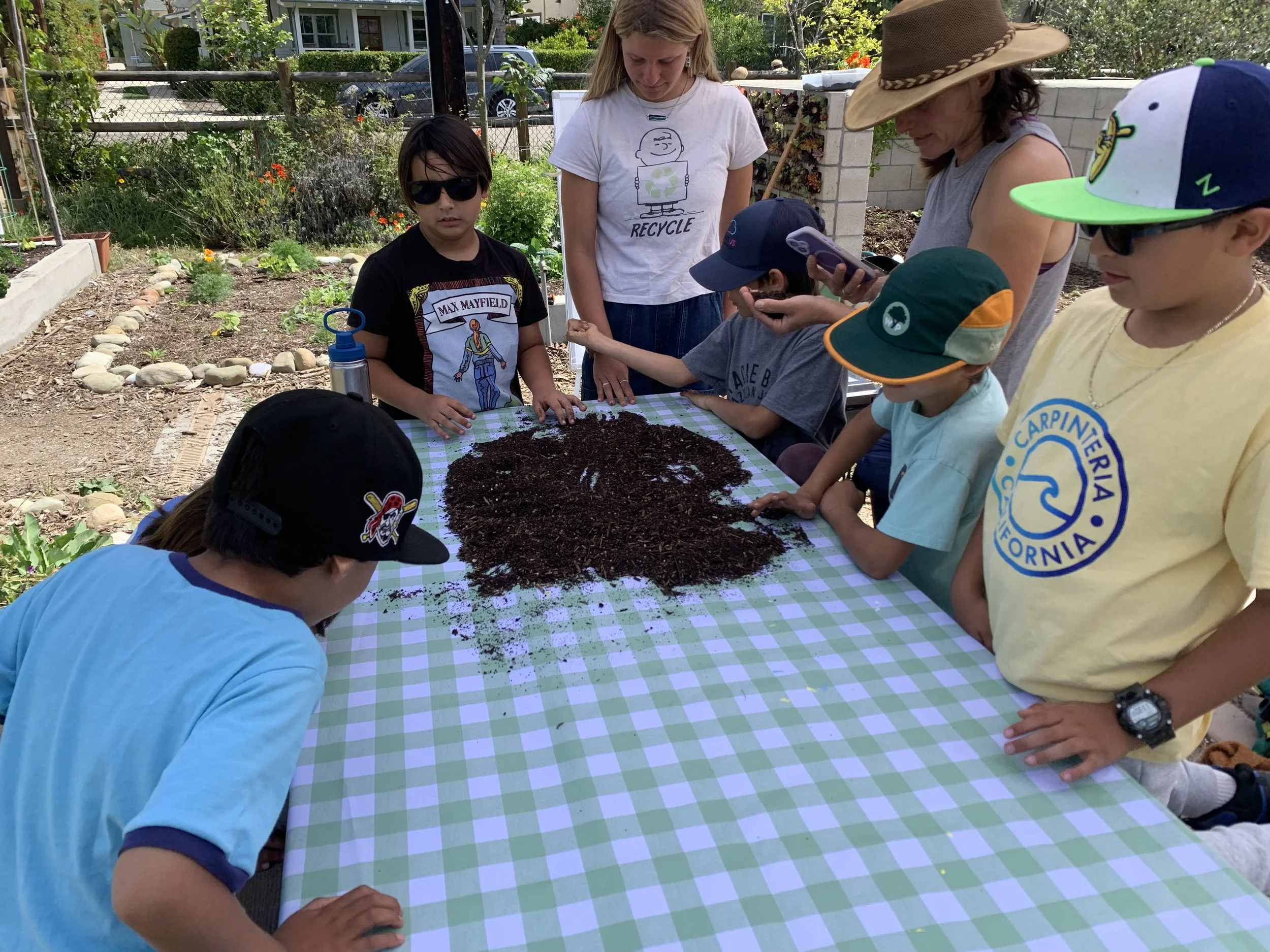
Ruby also brought finished compost to a picnic table for close up exploration. The children sifted through the dark, crumbly earth and found tiny pill bugs, baby worms, and other miniature life forms thriving inside.
There was no shortage of smiles as hands got dirty and curiosity came alive.
Discovering the Worm Farm
Next came one of the highlights of the day: the worm composting station.
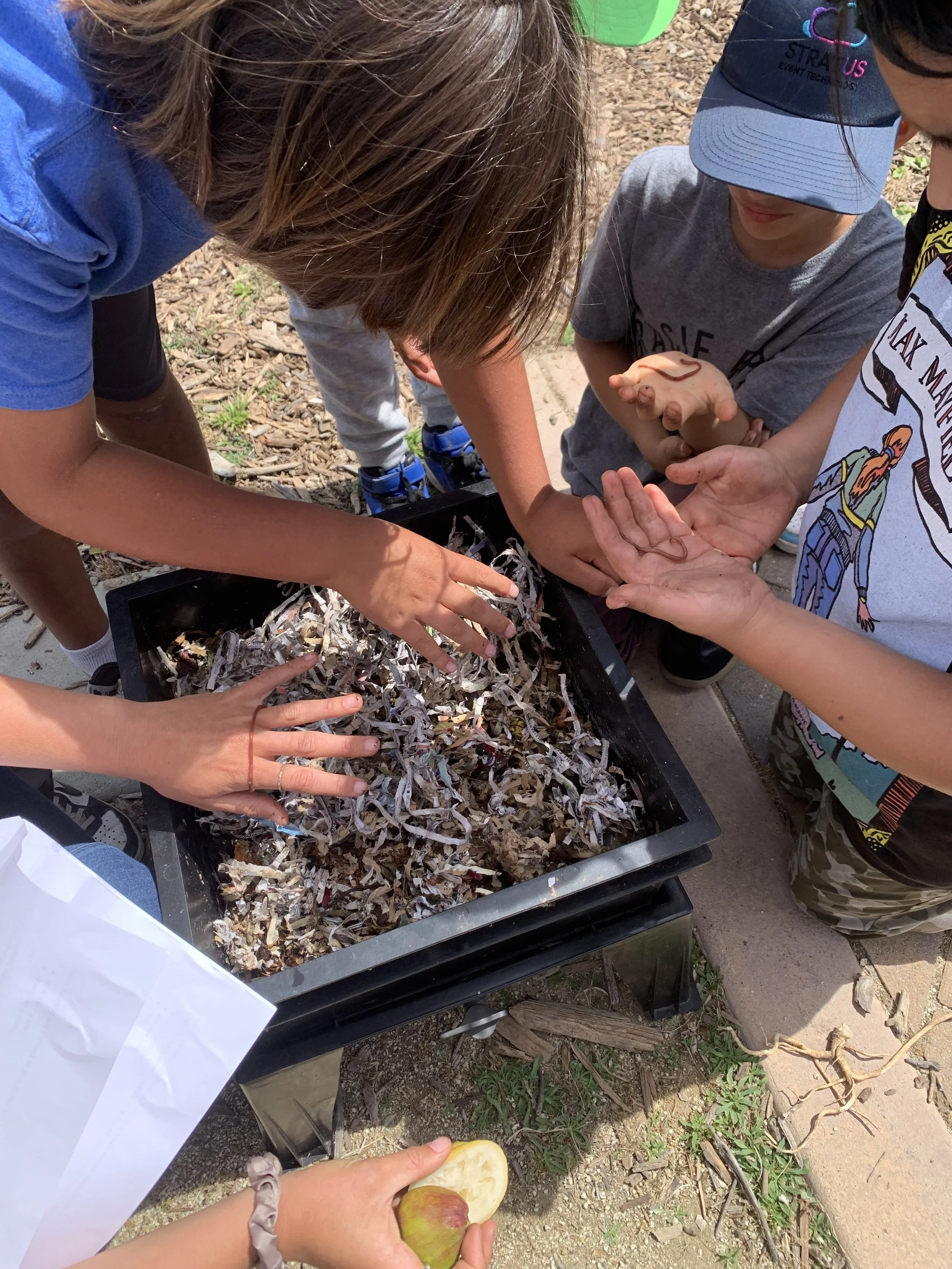
Ruby introduced the learners to a two layer worm farm filled with Red Wigglers (Eisenia fetida), the premier composting worm, ideal for breaking down kitchen scraps into nutrient rich castings, also known as worm poop. In the top layer, the children observed worms living among shredded newspaper and food material as they transformed scraps into garden gold.
In the bottom layer was something the children found especially fascinating: worm castings, one of nature’s most powerful fertilizers.
Ruby explained how these castings can be mixed with water to make worm tea, a nutrient rich liquid that can be used to feed plants and help gardens grow strong and healthy.
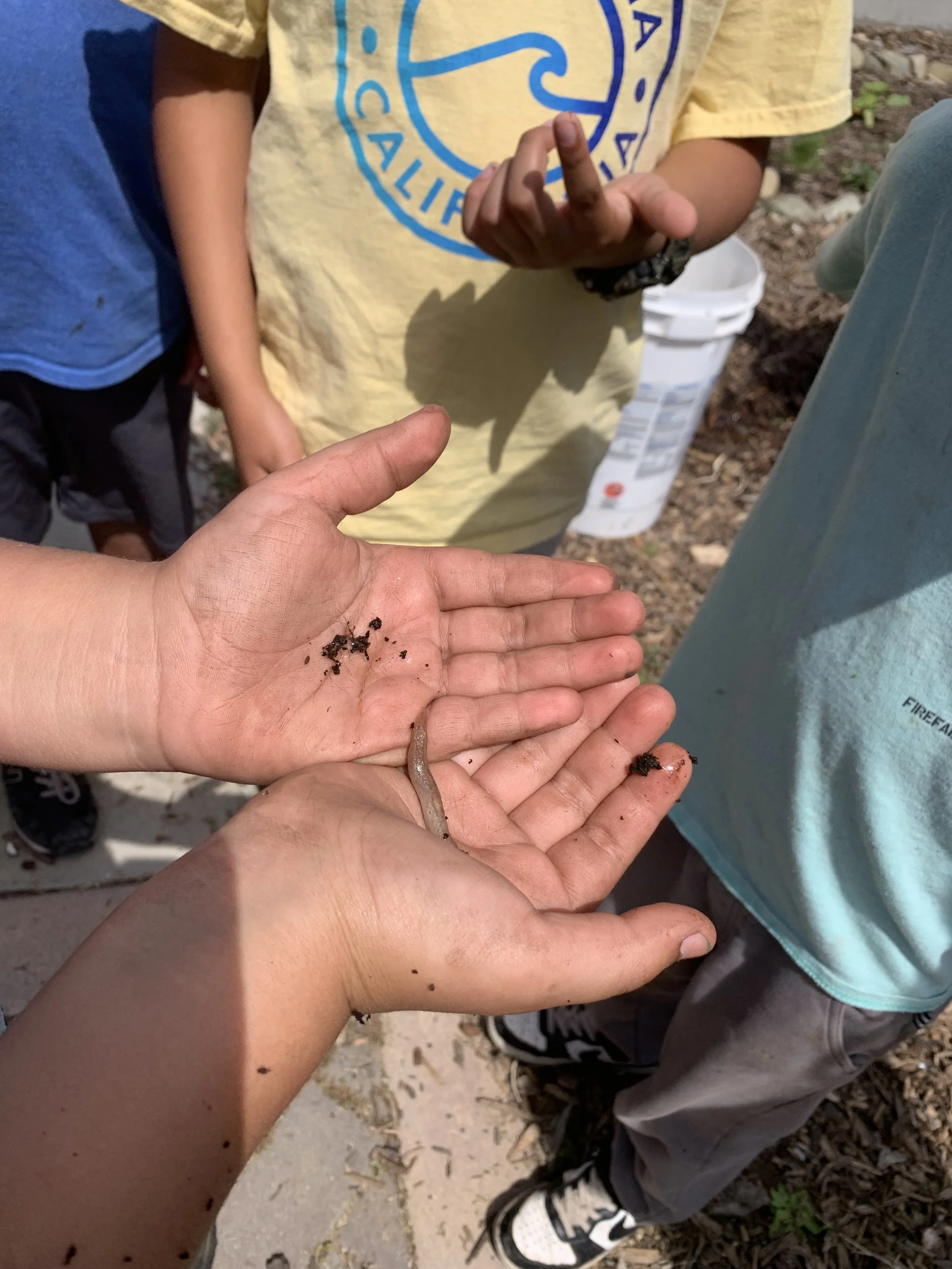
The learners carefully searched for worms, held them gently, and observed their movements up close. For many, it was a beautiful moment of overcoming hesitation and discovering how helpful and important these tiny creatures truly are.
Learning Through Life
Days like this remind us that some of the richest learning happens through touch, movement, questions, and firsthand experience. Compost teaches patience, cycles, responsibility, and the incredible truth that nothing in nature is wasted.
Our Nature, Animals & Art segment is off to a beautiful start, and we cannot wait to see where spring leads us next.
Scroll through the photos below to catch a glimpse of our learners discovering the magic hidden in soil, worms, and the living world beneath our feet.